
National Economy’s Plumbing Blog
Plumbing Articles from New Orleans, LA
Water Heater Problems: Signs You Need Repair, When to Replace, and What It Costs in New Orleans

📅 Updated June 26, 2026
Key Takeaways
- Most water heater problems show early warning signs: rusty water, popping or rumbling noise, lukewarm water, a higher gas or power bill, or moisture near the base. These signs you need water heater repair rarely appear all at once.
- If your water heater is not working at all, the cause is often a tripped breaker, a blown pilot light, or a failed heating element, and some of those you can check yourself before the water heater not working turns into a service call.
- A water heater making noise is almost always sediment, which New Orleans hard water builds up fast. A yearly flush prevents most water heater problems of this kind.
- The water heater repair or replacement call comes down to age and the cost of the fix: under about 8 years and a minor part, repair; past 10 to 12 years or a leaking tank, replace.
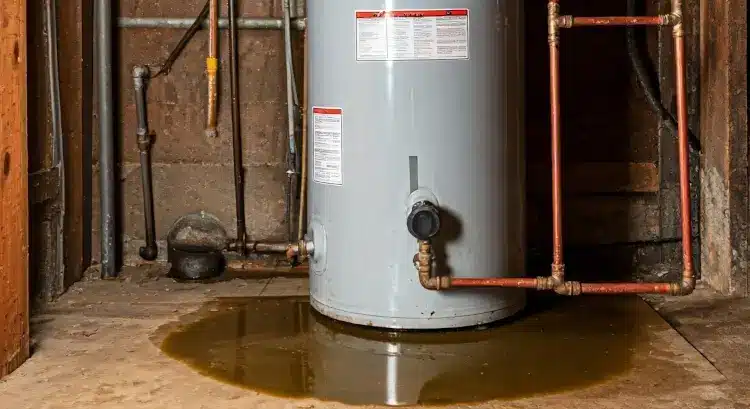
- A leaking tank body cannot be repaired. Water pooling under the unit means replacement, and the sooner the better to avoid floor and wall damage.
- Gas water heater work touches the gas line, so pilot, burner, and gas-valve problems are not DIY jobs. A licensed, gas-certified plumber should handle them.
- National Economy Plumbers has serviced New Orleans water heaters since 1939, licensed, gas-certified, with 24-hour service across the metro.
Most water heater problems give you a warning before they turn into a cold shower or a flooded floor. If your water heater is acting up, the quick answer is this: rusty or smelly hot water, popping or rumbling noise, water that runs lukewarm or runs out fast, a creeping energy bill, or any moisture near the base all point to a unit that needs attention.
Some of these water heater problems are a cheap fix, some mean the heater is near the end, and a few are safety issues you should not touch. This guide covers the common water heater problems, what each one means, whether you are looking at a repair or a replacement, and when it is time to call a New Orleans plumber.
Knowing the difference between a small fix and a dying unit saves you money and saves you from a surprise breakdown. The faster you catch the signs you need water heater repair, the more likely the fix is a simple part swap instead of a full replacement. Below we break down each warning sign, the repair-or-replace math, what these jobs cost around New Orleans, and why our hard water and humid climate wear heaters out faster than the national average. Catching water heater problems early is the whole game.
Signs You Need Water Heater Repair
Water heaters rarely quit without notice. They drop hints for weeks or months first, and learning to read them is how you avoid the worst-case version of the failure. Here are the signs you need water heater repair, roughly in order of how often we see these water heater problems on New Orleans service calls.
1. Not Enough Hot Water, or None at All
The most obvious sign is hot water that runs out too soon or never shows up. If the water turns cold halfway through a shower, a heating element or thermostat may be failing, or sediment has stolen the tank space that used to hold hot water.
A tank that once ran three back-to-back showers and now quits after one has usually lost capacity to sediment buildup. If there is no hot water at all, the cause is often something simple that we cover in the next section, so do not assume the worst before you check the basics. A water heater not working is not always a dead water heater.
2. Rusty, Brown, or Smelly Hot Water
When only the hot side runs rusty or brown, the problem is usually inside the tank or the anode rod, not your city water. An easy test: if the cold tap runs clear and only the hot runs discolored, the heater is the source. Discolored water points to corrosion, and corrosion inside a steel tank does not reverse. A rotten-egg smell in the hot water usually means bacteria in the tank, which a flush and sanitize can often fix. Rusty water that keeps coming back after a flush is a strong sign the tank itself is going, and that moves you toward water heater repair or replacement, usually replacement.
3. Your Water Heater Is Making Noise
A water heater making noise, popping, rumbling, banging, or crackling, is the most common complaint we hear in New Orleans, and it is almost always sediment. Minerals settle to the bottom of the tank, harden into a crust, and the burner has to fire through that layer to heat the water. The noise you hear is steam bubbling up through the sediment.
It is not just annoying. A water heater making noise is working harder than it should, the trapped heat stresses the tank bottom, and that shortens the unit’s life. In most cases a yearly flush clears the sediment and quiets a water heater making noise. If a noisy heater also runs rusty or leaks, the buildup has likely been there long enough to do real damage.
4. Water or Moisture Around the Base
Any puddle, drip, or damp ring around the bottom of the unit needs attention now. Some leaks come from a fitting, the cold or hot connection, the drain spigot, or the temperature and pressure relief valve, and those are repairable. A leak from the tank body itself is not, and it only gets worse from here. Because a failing tank can dump dozens of gallons at once, a base leak is the one of these water heater problems you should never wait on. Even a slow drip invites mold, rot, and floor damage in a humid New Orleans home, so a damp base is always worth a same-day look.
5. A Climbing Energy Bill
If your gas or power bill creeps up with no change in how much hot water you use, the heater may be working harder than it should. Sediment buildup and aging parts force the unit to run longer to reach the same temperature, and that extra runtime shows up on the bill every month. A sudden jump is worth an inspection, since a struggling heater quietly wastes money every single day until it is fixed or replaced. It is one of the easiest water heater problems to miss. On an older unit, that wasted energy is also one more reason replacement can pay for itself faster than people expect.
6. Age and a History of Repairs
A traditional tank water heater lasts about 8 to 12 years, and a tankless unit can run 15 to 20 with care, according to the U.S. Department of Energy. If yours is in that upper range and you have already paid for a repair or two, each new fix is money sunk into a unit on borrowed time.
Past 10 years, even small problems are a signal to start planning a replacement on your terms, before the heater fails on its own schedule, usually on the coldest morning of the year. Knowing the age of your unit is the single most useful fact when you weigh any of the water heater problems above.
| Symptom | Most Likely Cause | Repair or Replace? |
|---|---|---|
| No hot water (gas) | Pilot out, bad thermocouple, or gas-valve issue | Usually repair |
| No hot water (electric) | Tripped breaker, failed heating element, or thermostat | Usually repair |
| Runs out of hot water fast | Sediment, failing element, or undersized tank | Repair, or upsize |
| Popping or rumbling noise | Hardened sediment on the tank bottom | Repair (flush) |
| Rusty or brown hot water | Tank corrosion or spent anode rod | Often replace |
| Leak from a valve or fitting | Loose or worn connection, drain valve, or T&P valve | Usually repair |
| Leak from the tank body | Cracked or corroded tank | Replace |
| Higher energy bill | Sediment or aging parts forcing longer runtime | Repair, or replace if old |
When Your Water Heater Is Not Working at All
Before you assume the worst, a water heater not working is sometimes a five-minute fix you can check yourself. Of all the water heater problems we get called for, a water heater not working has the best odds of a simple cause. The cause depends on whether you have a gas or an electric unit, so start by identifying which you have, then work through the basics below.
If You Have an Electric Water Heater
The first suspect is the breaker. Open your electrical panel and find the breaker tied to the water heater. If it has tripped, flip it fully off and then back on. If it trips again right away, stop and call a pro, because a breaker that keeps tripping points to a wiring or element fault, not a fluke, and resetting it repeatedly is a fire risk.
The next suspect is the high-temperature reset button on the unit itself, a red button behind the upper access panel. Press it firmly until it clicks. If neither restores hot water, a heating element or thermostat has likely failed, which is a standard repair a plumber can handle the same visit.
If You Have a Gas Water Heater
Check the pilot light or the digital ignition status first. If the pilot is out, the burner cannot heat the water, and your water heater is not working for that simple reason, one of the most common water heater problems on gas units.
Some units let you safely relight the pilot by following the printed instructions on the tank. If it will not stay lit, that usually means a failing thermocouple or a gas-valve issue, and that is where do-it-yourself should stop. Anything involving the gas valve, the burner, or a gas smell is a licensed-plumber job, not a weekend project, because it touches your home’s gas supply and carries real risk.
No hot water and not sure why? Call (504) 322-3950 and we will walk it through with you or send a tech out the same day.
One safety note that matters more than any troubleshooting step: if you ever smell gas near the unit, a sulfur or rotten-egg odor, do not flip switches, do not relight anything, and do not stay in the space. Leave the area and call from outside. That is a gas emergency, not a routine water heater repair, and it gets treated as one.
Water Heater Repair or Replacement: How to Decide
This is the question every homeowner reaches eventually, and the honest answer is that the water heater repair or replacement decision comes down to three things: the age of the unit, the cost of the repair, and whether the tank itself is sound. You do not need a plumber to start the water heater repair or replacement math, though we are glad to confirm it before you spend a dollar.
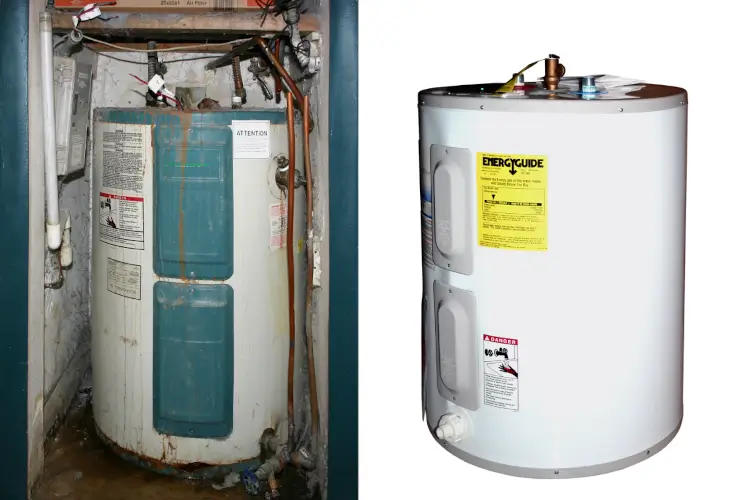
The rule of thumb the trade uses: if the repair costs more than half the price of a new unit, replace it. A new heating element in an 11-year-old tank buys you a little time, but the tank is still 11 years old and the next failure is already on its way.
It is better to put that money into a unit with years of life ahead, not one circling the drain. That is the heart of every water heater repair or replacement decision. This single test resolves most water heater repair or replacement questions on its own, and it cuts through nearly every water heater problems debate homeowners get stuck on.
Age is the other half of the call. Under about 8 years with a minor fault, repair almost always wins, since the unit has plenty of life left to justify the fix. Past 10 to 12 years, replacement usually makes more sense, because older units cost more to run, fail more often, and a tank leak can damage your home well beyond the price of the heater. And a leaking tank body skips the math entirely: that is a replacement, because the steel shell is not a serviceable part and no patch holds for long.
| Your Situation | Lean Toward | Why |
|---|---|---|
| Under 8 years, minor part failed | Repair | Plenty of life left; a part swap is cost-effective |
| 8 to 10 years, first real problem | Repair, but plan ahead | Fix it, but start budgeting for replacement |
| Over 10 to 12 years | Replace | Past expected life; repairs stop paying off |
| Repair costs more than half a new unit | Replace | Better to invest in years, not months |
| Tank body is leaking | Replace | The tank is not repairable; damage risk is high |
| Frequent repairs in the last year | Replace | Repeat costs add up past the price of new |
If you do replace, you also get to choose the type, and that choice changes both your upfront cost and your monthly bill for the next decade or two. Here is how the three common options compare. For the full breakdown and a sizing recommendation for your household, our water heater repair and replacement page covers installation in detail.
| Type | Typical Lifespan | Best For |
|---|---|---|
| Gas tank | 8 to 12 years | Larger households, fast recovery, lower fuel cost |
| Electric tank | 8 to 12 years | Homes without a gas line; simpler install |
| Tankless (gas) | 15 to 20 years | Endless hot water, space savings, lower bills over time |
What Water Heater Repair Costs Around New Orleans
Cost is the first thing most people want to know and the hardest to pin down, because it depends on the part, the fuel type, and how accessible your unit is. Still, general ranges help you judge a quote, and most water heater problems fall into a predictable cost range.
Minor fixes like a thermostat, a pilot relight, or a thermocouple sit at the lower end. Heating-element replacement lands in the middle. Gas-control-valve work runs higher because of both the part and the labor. A full replacement is the largest cost, and a tankless install runs more than a standard tank because of the added gas and venting work involved.
The point is not the exact dollar figure, which we give you free and upfront before any work begins. The point is the relationship between the two numbers. A single mid-range repair on a heater past 10 years is often within reach of half the cost of a new unit, which is exactly the line where replacement becomes the smarter spend.
When you call us about water heater problems, we tell you honestly which side of that line you are on, even when the answer is the cheaper one for you. Most water heater problems have a clear repair-or-replace answer once the age and the cost sit side by side.
How to Prevent Water Heater Problems
The good news is that most of the water heater problems above are preventable, and the maintenance that stops these water heater problems is not complicated. Staying ahead of wear is far cheaper than an emergency replacement, and it is the difference between a heater that dies at 8 years and one that reaches 12.
Flush the tank once a year to clear the sediment that causes noise, lost capacity, and overheated tank bottoms. This matters more in New Orleans than the manufacturer’s generic schedule suggests, for reasons we cover below. Check the anode rod every few years and replace it when it is heavily corroded, because that sacrificial rod is what rusts so your tank does not.
Test the temperature and pressure relief valve so it can do its safety job, and set the thermostat around 120 degrees, which is hot enough for the household, easy on the tank, and safer against scalding. Keep the area around the unit clear and dry so you can spot a leak the moment it starts. A few minutes of upkeep heads off the water heater problems that lead to most of our service calls.
A yearly professional tune-up rolls all of this into one visit and gives a trained eye a chance to catch small water heater problems before they become a cold shower. Many homeowners pair it with their other seasonal plumbing maintenance so nothing slips.
What a Plumber Checks During a Water Heater Repair
When we arrive for water heater problems, whether a water heater not working, a noisy unit, a leak, or rusty water, we do not guess. We work through the system in order so the real cause is found, not just the obvious symptom. On a gas unit that means the pilot, thermocouple, burner, gas valve, and venting. On an electric unit it means the breaker, both thermostats, and both heating elements. On any unit we check the tank for corrosion and leaks, inspect the anode rod, test the temperature and pressure relief valve, and look at the sediment level that drives so many complaints.
That full check is also what lets us give you a straight water heater repair or replacement answer instead of a sales pitch. If a part swap solves it and the tank has years left, we say so. If the tank is failing, we tell you that too, with the cost of both paths in front of you. As a full-service plumbing team, we handle water heaters alongside everything from drain cleaning to backflow prevention for homes and businesses across the metro.
Why New Orleans Is Hard on Water Heaters
Water heaters here do not last as long as the national averages suggest, and there are real local reasons. Our water carries minerals that settle and harden inside the tank faster than in many parts of the country. That sediment is what causes the rumbling noise, the lost capacity, and the overheated tank bottoms we see on service calls constantly. The humid Gulf Coast climate adds outside corrosion on top of the wear happening inside the tank, so the unit gets attacked from both directions at once.
That is why a yearly flush matters more here than the generic schedule implies, and why an anode rod can wear out before you would expect. Staying ahead of sediment is the single best thing a New Orleans homeowner can do to push a heater toward the long end of its life and head off the most common water heater problems before they start. We see the difference every week between maintained units and neglected ones, and it usually adds up to years.
When to Call a Plumber, and When You Can Wait
Plenty of water heater problems are worth a quick do-it-yourself check first, and the signs you need water heater repair are not all equally urgent. A tripped breaker, a relit pilot, or a reset button are all fair game, and we would rather you save a service call on the simple stuff. But some signs mean you should call a licensed plumber rather than troubleshoot, and a few mean you should call right away.
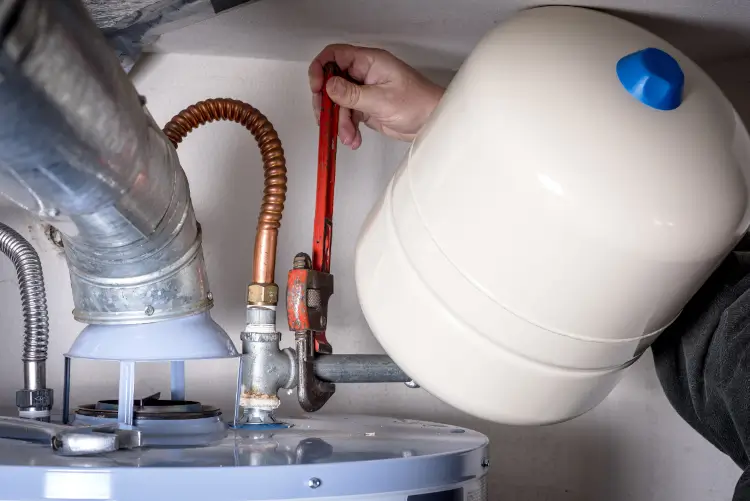
Call promptly when the tank is leaking from the body, when water is pooling on the floor, when the same problem keeps coming back after a fix, or when rusty hot water will not clear after a flush. Call right away, and treat it as urgent, for any gas smell, any sign of scorching or soot around a gas burner, or a relief valve that is discharging water or steam. Those are safety issues, not maintenance, and they do not wait for business hours.
Because we are licensed and gas-certified, we handle the gas-side work that homeowners should never attempt, and we have done it for New Orleans homes since 1939. That is more than 80 years of local water heaters, in local homes, on local water, which is exactly the experience this kind of call should bring. We also provide water heater services across New Orleans and the surrounding metro, with 24-hour availability for when a heater fails at the worst possible time.
Water heater acting up, or already cold?
We have repaired and replaced New Orleans water heaters since 1939. Licensed, gas-certified, and available 24 hours. Free, upfront estimates before any work begins.
Water Heater Problems: Frequently Asked Questions
Quick answers to the water heater questions New Orleans homeowners ask us most, from noise and rusty water to the repair-or-replace call and what a fix is likely to run.
How do I know if my water heater needs repair or replacement?
The water heater repair or replacement call goes by age and cost. Under about 8 years with a minor part failure, repair. Past 10 to 12 years, or if the repair costs more than half a new unit, replace. A leaking tank body always means replacement, since the tank is not a repairable part.
Why is my water heater making noise?
A water heater making noise is almost always sediment hardened on the bottom of the tank, which is common with New Orleans hard water. The burner heats through that crust and steam bubbles up, making the sound. A yearly tank flush usually quiets a water heater making noise and extends the heater’s life.
My water heater is not working. What should I check first?
When your water heater is not working, check the breaker and the red reset button behind the upper panel on electric units. On gas units, check the pilot or ignition. If a breaker keeps tripping, the pilot will not stay lit, or you smell gas, stop and call a licensed plumber, since those water heater problems point to deeper faults.
How long does a water heater last in New Orleans?
A tank unit typically lasts 8 to 12 years and a tankless 15 to 20. Local hard water and humidity tend to push tanks toward the shorter end and bring on water heater problems sooner. A yearly flush and a checked anode rod help you reach the longer end of that range.
Is a leaking water heater an emergency?
A leak from the tank body is one of the few water heater problems that is a true emergency, since a failing tank can release many gallons at once and damage floors and walls. A drip from a valve or fitting is often a simple repair, but any pooling water at the base warrants a prompt call.
Can I repair a water heater myself?
For a water heater not working, you can safely check a breaker, press a reset button, or relight a pilot per the tank’s instructions. Anything involving the gas valve, burner, heating elements, or a gas smell should go to a licensed, gas-certified plumber, since those water heater problems carry real safety risks.
What does water heater repair cost in New Orleans?
It depends on the part and fuel type. Minor fixes like a thermostat or pilot repair are lower cost, element replacement is mid-range, and gas-valve work runs higher. We give a free, upfront estimate first, so you can weigh the water heater repair or replacement against each other.
5 Comments
Submit a Comment
Request a Quote Now
Serving New Orleans, Metairie, Kenner, Marrero, Chalmette & Terrytown LA
FREE ESTIMATES




national economy plumbers
Full Service Plumbing New Orleans, Louisiana
Backflow Prevention Specialist
National Economy Plumbers
7204 Washington Ave.
New Orleans, LA 70125
(504) 322-3950
or Send Us an Email Here.
© 2012-2026 NationalEconomyPlumber.com
– All rights reserved. –
Information on this website may not be re-used without prior written consent from National Economy Plumbers.

HOURS & LICENSE INFO
Monday-Friday: 24 Hours Daily
Saturday-Sunday: 24 Hours
Louisiana Licensed, Bonded, Insured
Master Plumbers License LA LMP 214
Master Natural Gas Fitters LA LMNGF 8026
Orleans Plumbing #40 / Gas #03LGA11246
Jefferson Plumbing #408 / Gas #761
Water Heater repair and maintenance is the ultimate need of every home owner. These systems protect us from harsh weather and supply us hot water on consistent basis. A quality water heater of a good brand such as Carrier are the better option when it comes to gas or instant hot water facility. Regular maintenance and inspection on yearly basis is always required to keep it working efficient all seasons.
This is so true. I remember hearing noises from the water heater that came with the first house I purchased. I called up a water heater repairman in my city, and he told me that it was completely normal, so I didn’t think much of it even when the noise got louder. I just thought it was normal. Long story short, my heater ended up leaking and I needed to replace it. Kind of wish the plumber that I spoke with at the time offered to flush it. In hindsight, I’m thinking it might have added a few extra years to my tank. Lesson learned. Great article, thank you!
Super helpful post… Not all leaks are created equal!! Thought my tank was leaking and was freaked out I would have to fork out $$ for a whole new water heater… Turns out it was a piping leak around where my tank was. Ended up costing me a fraction of the price. Either way need to have leaks fixed nonetheless.
A water heater, unfortunately, is susceptible to a wide range of problems. If the water heater does not turn on, this is one of the easiest signs that there may be a problem. Because of this, it’s crucial to learn how to determine whether or not an appliance is operating.
Great insights on recognizing signs of a failing water heater! The details about fluctuating water temperatures, discolored water, and the importance of maintaining a consistent supply of hot water are particularly helpful. I appreciate the emphasis on seeking professional help to diagnose and address these issues effectively. The information on unusual noises and corrosion as warning signs adds depth to understanding potential problems. Indeed, a leaking water heater can pose serious risks, and your advice to address it promptly resonates well. Choosing experienced professionals for repairs is crucial, and your recommendation to contact licensed experts for water heater repair instills confidence. Thanks for sharing this informative post!