National Economy’s Plumbing Blog
Plumbing Articles from New Orleans, LA
How to Unclog a Drain: Showers, Kitchen Sinks, and Stubborn Clogs (A New Orleans Plumber’s Guide)

📅 Updated June 27, 2026
Key Takeaways
- To unclog a drain, work gentlest to strongest: clear what you can reach, flush with hot water, try baking soda and vinegar, then a plunger, then a snake.
- Use hot tap water, not boiling, on PVC pipes. Boiling water can soften and warp plastic pipe and the slip joints under a sink.
- For a double kitchen sink, seal the second basin with a wet rag so your plunger force hits the clog instead of escaping out the other side.
- Skip the chemical drain cleaners when you can. They damage pipes and cause instant burns. A plunger, a snake, or an enzyme cleaner is safer and works on the cause.
- If more than one fixture backs up, or the same clogged drain keeps returning, the problem is the line, not the fixture. That is the point to call a licensed plumber.
- In older New Orleans homes, recurring clogs are often grease in cast iron or root intrusion at clay joints, not just hair.
Learning how to unclog a drain usually comes down to a few cheap tools and a clear order of attack: clear out what you can reach, flush with hot water, try baking soda and vinegar, then a plunger, then a hand snake. Most slow showers and kitchen sinks clear in under thirty minutes with nothing fancier than what is already under your sink.
The one thing to watch for is when a fix stops being a fix. If water backs up into more than one fixture, or the same clogged drain returns every few weeks, that is the line talking, and a licensed plumber needs to look at the pipe itself.
This guide walks through every method in the order a New Orleans plumber would actually try them, for showers, bathroom sinks, kitchen sinks, and tubs. We have been clearing these same drains since 1939, so we will also be honest about what most how-to articles leave out: which tricks can damage older pipes, why drain cleaning chemicals are usually the wrong move, and the specific reasons drains in older New Orleans homes clog over and over. By the end you will know how to clear most clogs yourself, and how to tell when the problem is bigger than a plunger.
What Is Actually Clogging Your Drain?
Before you can fix a clogged drain, it helps to know what is sitting in the pipe, because the cause decides the tool. Hair and soap scum dominate shower and bathroom drains. Grease, oil, and food scraps own the kitchen sink. The question that matters is whether you need to pull the clog out or push it through, and that is the single most useful decision you will make in how to unclog a drain.
Match the tool to the clogged drain and most jobs are quick. One thing we see constantly in New Orleans: people blame hair when the real problem is a grease layer that hardened months ago and now grabs everything passing by.
| Drain | Most common cause | Telltale sign | First move |
|---|---|---|---|
| Shower or tub | Hair and soap scum knotting in the P-trap | Water pools at your ankles, slow gurgle | Pull the clog out with a zip tool |
| Kitchen sink | Grease, oil, and food scraps, often a tired disposal | Standing water, odor, disposal hums but lags | Check the disposal, then plunge |
| Bathroom sink | Hair, toothpaste, and soap binding on the stopper | Slow drain, gunk on the pop-up | Clean the stopper, then snake |
| Floor or laundry drain | Lint, sediment, and in older homes, root intrusion | Backs up when the washer drains | Often needs a pro |
Where the water backs up usually tells you where the clog is. A single slow fixture means a local clogged drain you can almost always clear yourself with the steps below. When several fixtures gurgle or back up at the same time, the clog has moved into the shared line, and the local fixes can actually push that kind of clog deeper. Keeping that distinction in mind is half of how to unclog a drain without making the problem worse.
A quick note before the methods: this guide covers sinks, showers, and tubs. A toilet is a different animal with a different tool, so if that is your problem, a clogged toilet is its own fix and we cover it separately.
How to Unclog a Drain: 6 Fixes to Try First
Here is how to unclog a drain step by step, gentlest method first, working up only as needed. Start by clearing any debris you can reach by hand or with tweezers around the drain opening, then run through these in order. Most clogged drains give up well before you reach the snake. A quick word on safety first: wear gloves, keep eye protection within reach if you go anywhere near a chemical cleaner, and never put your hand into a garbage disposal, even with the power off.
1. Flush with hot water
Hot water is the cheapest fix there is for a clogged drain, and for a greasy kitchen clog it is often all you need. Heat a full kettle and pour it down the clogged drain in two or three stages, letting it work between pours. One hard rule: if your drain pipes are PVC, use hot tap water, not boiling. Boiling water can soften and deform plastic pipe and the slip joints under a sink. Metal pipe shrugs off the heat, but most homes plumbed in the last few decades have PVC under the sink, so when in doubt, hot tap water is the safe call.
2. Baking soda and vinegar
The baking soda and vinegar trick is the reader favorite for good reason: it is safe on pipes and it genuinely loosens light organic buildup. Pour about half a cup of baking soda down the clogged drain, then a cup of white vinegar. It will fizz. Cover the opening, give it an hour, then flush with hot water.
This is the method to reach for on a slow shower drain or a sink that drains but lags. It will not blast through a solid blockage, so do not expect a miracle on a fully stopped drain, but as a first move on a mild clogged drain and a monthly habit it earns its place.
3. The plunger
A plunger is the most underrated tool for how to unclog a drain, as long as you get a real seal. Fill the fixture with enough water to cover the cup, then plunge in short, hard strokes for fifteen to twenty seconds and check the flow.
The trick most people miss on a kitchen sink: if you have a double basin, plug the second drain with a wet rag first. One of our readers spent ages plunging with no luck until she sealed the other basin, and then it cleared in seconds. Without that seal your force just escapes out the other side instead of hitting the clogged drain. Same idea for a bathroom sink with an overflow hole: cover it.
4. A hair snake or zip tool
For shower and bathroom drains, a flat plastic zip tool is a two dollar miracle. Push the barbed strip down past the stopper, twist, and pull. It drags out the matted hair and soap knot that is almost always the real culprit. Expect it to be unpleasant. That is the clogged drain you have been standing in.
A zip tool will not collect every strand, but it clears the dense plug that chokes the P-trap. If your stopper lifts or unscrews, pull it first and clean it, since hair wraps the post underneath where you cannot see it. Clear that knot and the clogged drain in a shower is usually fixed on the spot.
5. A drain snake (hand auger)
When the clog sits deeper than a zip tool can reach, step up to a drain snake, also called a hand auger. It is a coiled steel cable on a hand crank that feeds down the pipe. Push gently until you feel resistance, then crank to either break through or hook the blockage and draw it back. The goal is to remove the clog, not ram it farther down the line. No auger on hand? A straightened wire coat hanger with a small hook bent into the end works for shallow clogs, though it lacks the reach. Never run a snake right after pouring chemicals, since the splashback is caustic.
6. Clean out the P-trap
If the sink still will not drain, the clog is likely in the P-trap, the curved pipe under the basin. Put a bucket underneath, loosen the slip nuts by hand or with pliers, and pull the trap. Whatever is stuck usually drops right out. Clean the trap, check the washers, and reassemble hand tight plus a quarter turn. This is the fix that clears the clogged drains nothing else touches, and it tells you something useful: if the trap is clear but the sink still backs up, the blockage is farther down the line, which is where a homeowner’s tools run out and a drain cleaning service begins.
| Method | Best for | What you need | Caution |
|---|---|---|---|
| Hot water flush | Light grease, maintenance | A kettle | Hot tap water only on PVC |
| Baking soda and vinegar | Slow drains, light buildup | Pantry staples | Will not clear a full blockage |
| Plunger | Sink and tub clogs | Cup plunger, wet rag | Seal the second basin or overflow |
| Zip tool | Hair in a shower or sink | Plastic zip strip | Not for deep clogs |
| Drain snake | Deeper clogs | Hand auger | Never right after chemicals |
| Clean the P-trap | Kitchen sink stoppages | Bucket, pliers | Still backs up means call a pro |
How to Clean a Shower Drain
Since this guide lives at a shower drain address, here is the shower-specific playbook. Learning how to clean a shower drain is mostly about staying ahead of hair. Start by lifting or unscrewing the drain cover and clearing the visible debris around the opening by hand or with tweezers. Then run a zip tool down to pull the hair knot out of the P-trap. Finish with baking soda and vinegar followed by hot water to cut the soap scum coating the pipe walls. Do this every few weeks and you will rarely face a full clog.
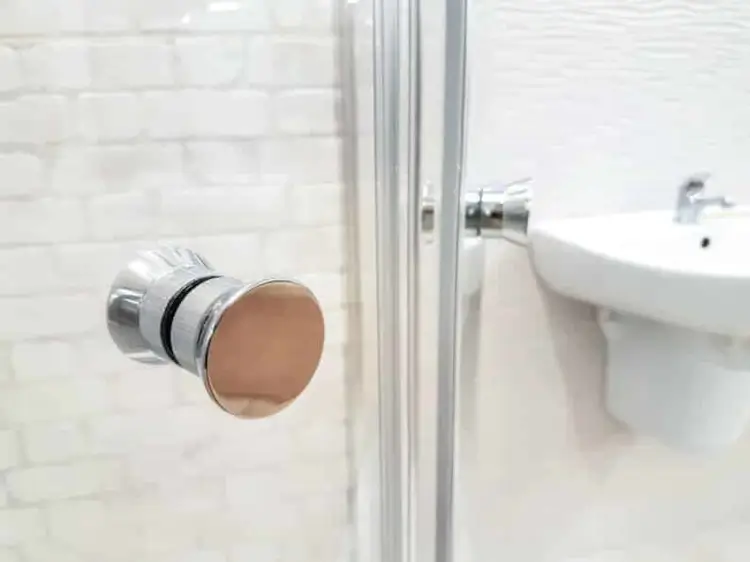
A shower that drains at your ankles is almost never a deep problem. It is hair plus the greasy film that body oils and conditioner leave behind. If the water still pools after you have cleared the hair, the clogged drain is deeper than the trap, and a shower drain that backs up alongside the tub or toilet points to the main line rather than the fixture. That is a different repair, covered below. For routine care, though, the hair-and-rinse routine is the whole answer to how to clean a shower drain and keep it flowing.
The short version of how to clean a shower drain: pull the hair, rinse with baking soda and vinegar, and drop a hair catcher over the opening so the next clogged drain never forms. Prevention is far easier than the cure on a shower, because the cause is so predictable.
How to Unclog a Kitchen Sink
A kitchen sink clogs differently than a shower, so how to unclog a drain at the sink starts in a different place than the bathroom: the garbage disposal. That makes how to unclog a kitchen sink its own short routine. Before anything else, check it. Run it with the cold water on and listen. If it only hums, it is jammed, and that jam is your clog.
Kill the power at the switch or breaker, then free the flywheel with the hex wrench that fits the slot on the bottom of the unit. If the disposal spins freely and the sink still backs up, move to the plunger with the second basin sealed, then the P-trap.
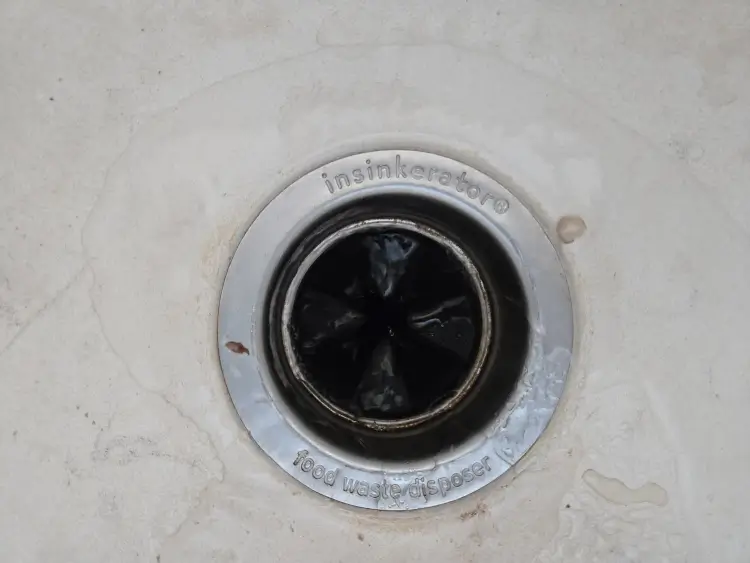
Grease is the usual villain here. In a city that cooks the way New Orleans does, poured-off pan grease is the number one reason a kitchen sink stops draining. Most of these clogs are preventable.
Keep grease, oil, coffee grounds, and stringy scraps out of the drain, disposal or not. We keep a full list of what not to put down the garbage disposal, but the short version is simple: if it is greasy, stringy, or starchy, it belongs in the trash, not the drain. A hot water and baking soda rinse once a month keeps a kitchen line clear far better than anything you pour in after a clogged drain has already formed.
That order, check the disposal first, then plunge with the second basin sealed, then pull the trap, is the whole of how to unclog a kitchen sink for the large majority of clogs. If the sink is still stopped after the trap is clean, the clogged drain is downstream in the branch line, and that is a pro’s job rather than a DIY one.
Tried these steps for how to unclog a drain and the water is still standing? You do not have to keep fighting it. Call National Economy Plumbers at (504) 322-3950 or request a quote and we will clear it, usually the same day.
Drain Cleaning Chemicals: Why We Tell Homeowners to Go Easy
At some point nearly every clogged drain tempts you toward the jug of liquid drain cleaner. Before you pour, know what is in it. Store-bought drain cleaning chemicals fall into three types, and all three carry real risk to your pipes and to you.
They work by generating heat to dissolve the clog, and that heat is exactly the problem: it can warp or split PVC and weaken aging metal pipe over repeated use. The fumes burn eyes and lungs, and the liquid causes instant chemical burns on skin. The National Poison Control center keeps a running file of caustic-burn cases tied to these products, including splashback from pouring into a fully blocked drain.
| Type | How it works | The risk |
|---|---|---|
| Caustic (lye, sodium hydroxide) | Turns grease into a soft, soapy film | Heat damages pipe, severe skin and eye burns |
| Oxidizing (bleach, nitrates) | Gasses and heats the clog to push it through | Toxic fumes, splashback, pipe wear over time |
| Acid (sulfuric, hydrochloric) | Dissolves organic matter and hair | Harshest of all, can ruin pipes and badly burn skin |
A question we get a lot: yes, some caustic cleaners add a fragrance to mask the chemical smell, but the perfume does nothing to make them safer. The corrosive base is unchanged, and a pleasant scent can make people less careful with a product that still burns on contact. Read more about the running file of caustic-burn cases if you want the sobering version. If you do use one, follow the label exactly, wear gloves and eye protection, open a window, keep children and pets clear, and never mix two products.
For ongoing upkeep, an enzyme drain cleaner is the safer chemistry. It uses bacteria to slowly eat organic buildup instead of acid to blast it. It will not rescue a fully stopped drain today, but it keeps a slow one from turning into a clogged drain, and it will not eat your pipes in the process.
DIY vs Calling a Pro: When to Stop
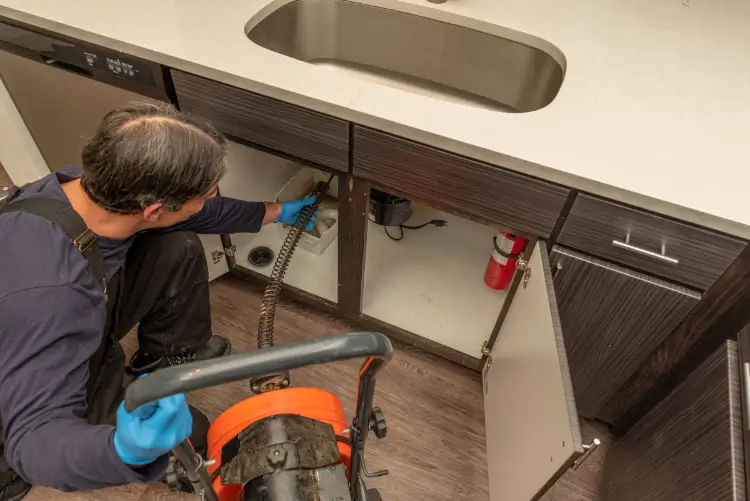
Knowing how to unclog a drain also means knowing when to put the tools down. Most single-fixture clogs are a DIY job. But some signs point to a problem in the line itself, where a homeowner’s snake cannot reach and extra force only makes things worse.
If more than one fixture backs up at once, if the toilet gurgles when the sink drains, if water rises in the tub when you run the washer, or if the same clogged drain returns every few weeks, the blockage is in the main line, not the fixture. That is the moment to call a licensed plumber rather than buy a bigger bottle of chemicals, because the wrong move turns a simple clogged drain into a flooded floor.
| Situation | Try it yourself | Call a plumber |
|---|---|---|
| One slow sink or shower | Yes, work the steps above | If it returns quickly |
| Hair clog in the P-trap | Yes, zip tool or snake | Rarely needed |
| Standing water, one fixture | Yes, plunge and snake | If the trap is clear and it still backs up |
| Two or more fixtures backing up | No | Yes, likely a main-line clog |
| Gurgling toilet, sewage smell | No | Yes, a line or vent issue |
| Recurring clog, same spot | No | Yes, camera the line |
Why New Orleans Drains Clog Again and Again
Here is the part the national how-to articles skip. A lot of New Orleans homes still run on the original cast iron or clay sewer lateral, and those pipes behave nothing like the PVC in a newer suburb. Cast iron roughens and scales on the inside as it ages, so grease and debris snag where the pipe used to be smooth. Clay joints invite tree roots, and root intrusion is the quiet cause behind a huge share of the recurring clogged drains we clear Uptown and in Mid-City. No amount of baking soda touches a root mass wedged into a pipe joint four feet underground.
Add the local conditions on top. A high water table and heavy rain keep the city’s sewers under pressure, so a line that is already half-blocked backs up faster here than it would elsewhere. Older homes often have smaller-diameter or slightly bellied lines that hold water and collect sediment. When a clogged drain keeps coming back in a New Orleans home, the answer is rarely another round of DIY. It is a sewer line repair, or at least a sewer camera inspection to see what is actually happening inside the pipe before you spend another dollar treating the symptom.
This is also why commercial kitchens and older buildings need more than a homeowner fix. If you run a restaurant or salon, grease and cross-connection problems move into health-code territory, which is a different scope from a slow home sink. For homes and businesses across the metro, our New Orleans plumbers can clear the line itself, not just the symptom at the fixture.
What a Professional Drain Cleaning Looks Like
When a clogged drain beats every method above, a professional drain cleaning service is a different level of tool, not just a stronger version of yours. A licensed plumber starts by locating the blockage, often with a camera, then clears it with a motorized drum auger that reaches far deeper than any hand snake.
For grease-caked or root-filled lines, hydro jetting scours the pipe wall clean with high-pressure water, which is the only method that truly resets an old line instead of punching a single hole through the clogged drain. The goal is not just moving water today. It is clearing the cause so the same clogged drain is not back next month, and telling you honestly whether you have a one-time clog or a failing line that needs real repair. When how to unclog a drain stops being a DIY question, that is the visit to make.
How to Keep Your Drains Clear
The best answer to how to unclog a drain is to never let it clog in the first place. A few habits do most of the work. Install a hair catcher in every shower and tub. Keep grease and coffee grounds out of the kitchen sink. Run hot water after each use, and pour a baking soda and vinegar rinse down each drain once a month.
Once or twice a year, professional drain cleaning clears the buildup you cannot reach before it becomes a stoppage. There are real benefits of professional drain cleaning beyond the obvious one, and for an older New Orleans home, that yearly cleaning is cheap insurance against the kind of backup that ends up on your floor. Stay ahead of the clogged drain and you will rarely need this guide again.
Stubborn clog that just will not clear?
National Economy Plumbers has cleared New Orleans drains since 1939, with our own licensed crews and no subcontractors. Louisiana Master Plumber LMP 214.
FAQs About Unclogging Drains
A few quick answers to the questions New Orleans homeowners ask us most about clearing a clogged drain. If your situation is not covered here, call us at (504) 322-3950 and we will point you in the right direction.
Does baking soda and vinegar really unclog a drain?
Yes, for light organic clogs. The fizzing reaction loosens soap scum, grease film, and minor buildup, and it works well as monthly maintenance. Pour baking soda, then vinegar, wait an hour, and flush with hot water. It will not clear a fully stopped drain, but it is safe on pipes and a solid first move.
Is it safe to pour boiling water down a drain?
Only if your pipes are metal. Boiling water can soften and deform PVC pipe and the slip joints under a sink, which are plastic in most modern homes. Use hot tap water instead when you are not certain. For a greasy kitchen clog, hot water poured in stages will often clear it on its own.
Are chemical drain cleaners bad for pipes?
Often, yes. Most drain cleaning chemicals make heat to dissolve clogs, and that heat can warp PVC and weaken aging metal pipe over time. They also burn skin and lungs. Use them rarely, follow the label exactly, and reach for a plunger, a snake, or an enzyme cleaner first.
Why does my drain keep clogging?
A clog that returns every few weeks usually is not the fixture, it is the line. In older New Orleans homes that often means grease buildup in cast iron pipe or root intrusion at clay joints. A sewer camera inspection finds the real cause so you stop treating the same symptom over and over.
How do I unclog a double kitchen sink?
Seal the second basin first. Plug it with a wet rag so your plunger force hits the clog instead of escaping out the other drain, then plunge in short, hard strokes. If both basins stay full, check the garbage disposal and the shared P-trap before you call a plumber.
When should I call a plumber instead of doing it myself?
Call when more than one fixture backs up, the toilet gurgles as the sink drains, sewage odors appear, or the same clogged drain keeps returning. Those point to a main-line problem a household snake cannot reach. A licensed plumber can clear the blockage and camera the line to confirm the cause.
2 Comments
Submit a Comment
Request a Quote Now
Serving New Orleans, Metairie, Kenner, Marrero, Chalmette & Terrytown LA
FREE ESTIMATES



national economy plumbers
Full Service Plumbing New Orleans, Louisiana
Backflow Prevention Specialist
National Economy Plumbers
7204 Washington Ave.
New Orleans, LA 70125
(504) 322-3950
or Send Us an Email Here.
© 2012-2026 NationalEconomyPlumber.com
– All rights reserved. –
Information on this website may not be re-used without prior written consent from National Economy Plumbers.
HOURS & LICENSE INFO
Monday-Friday: 24 Hours Daily
Saturday-Sunday: 24 Hours
Louisiana Licensed, Bonded, Insured
Master Plumbers License LA LMP 214
Master Natural Gas Fitters LA LMNGF 8026
Orleans Plumbing #40 / Gas #03LGA11246
Jefferson Plumbing #408 / Gas #761
Thank you for these helpful tips! I never realized how easily I could maintain my shower drain. I’m definitely going to try the baking soda and vinegar method – it sounds so effective and eco-friendly!
Great tips! I never realized how important it was to clean the shower drain regularly. I can’t wait to try the baking soda and vinegar method you mentioned. Thanks for sharing!